Smart Cars, Smart Glass: What Omaha Drivers Need to Know About Windshield Cameras and Safety Systems
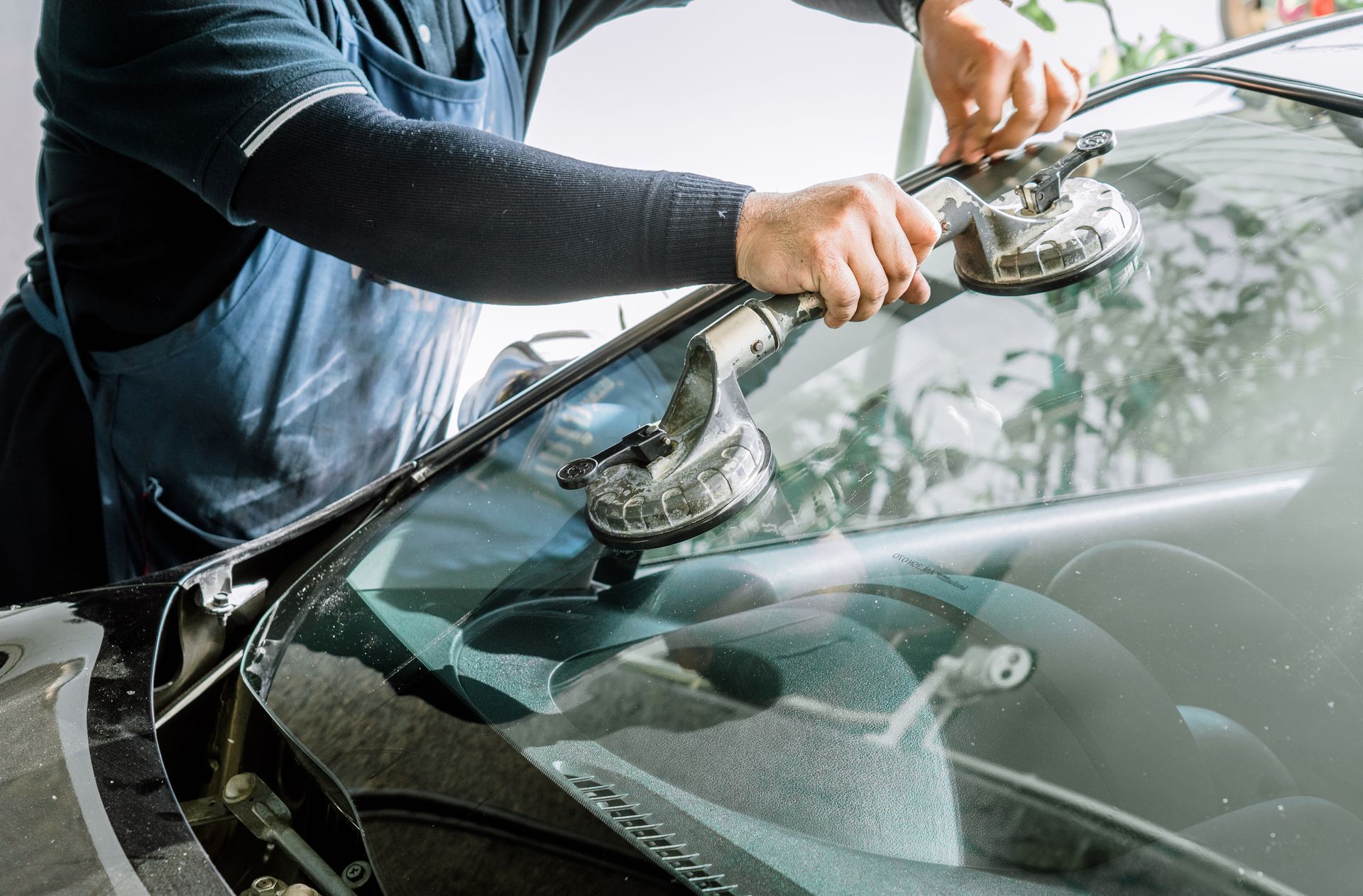
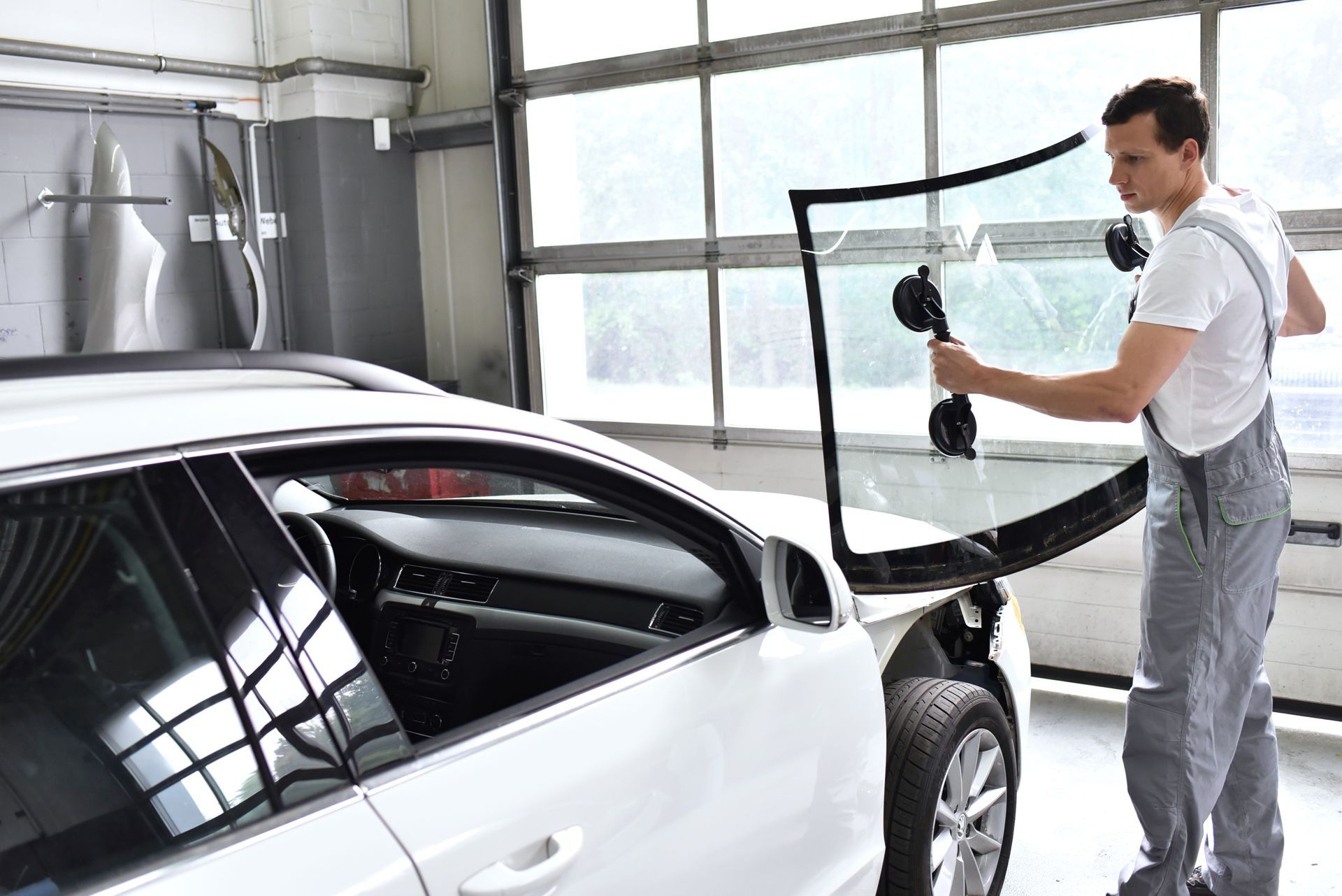
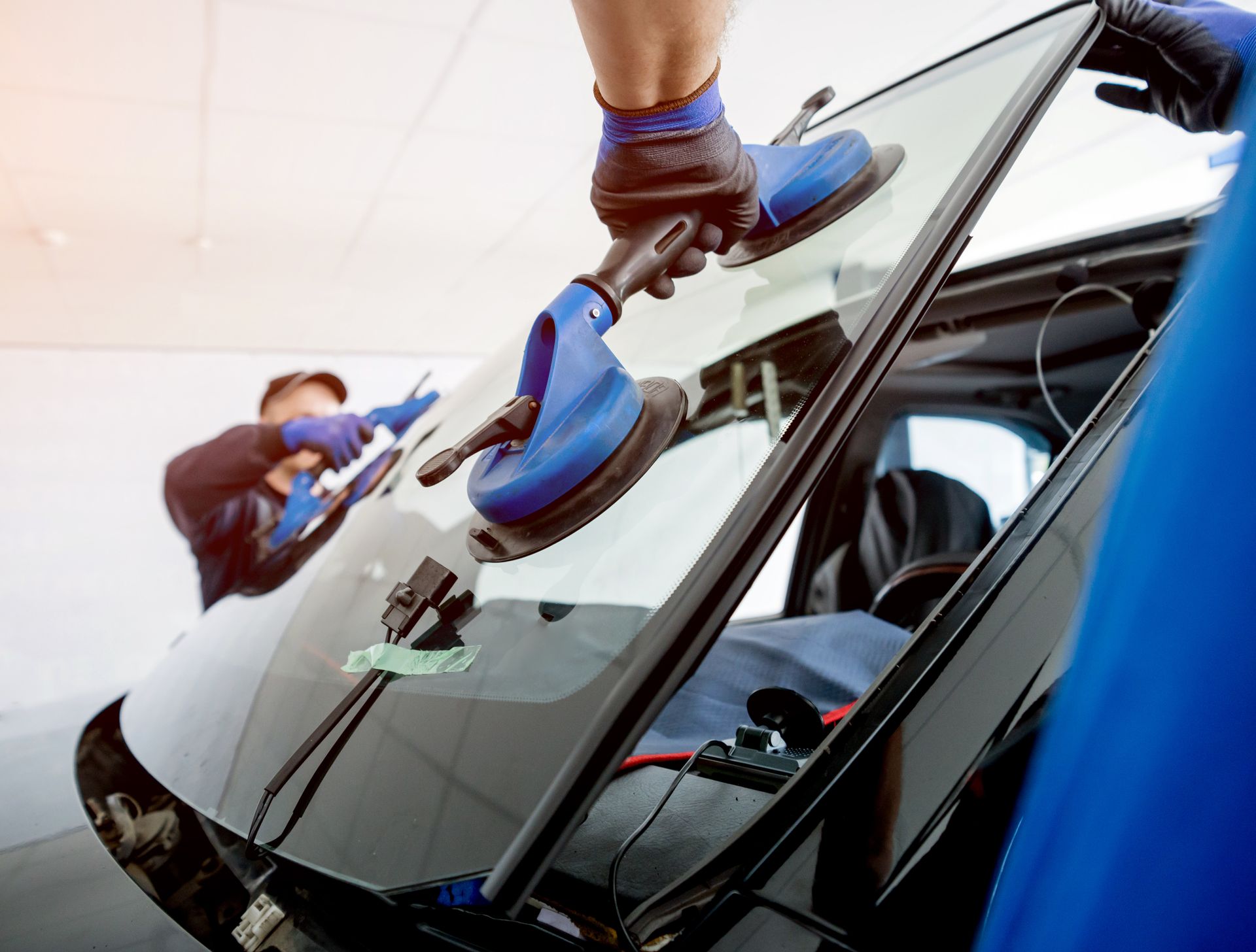
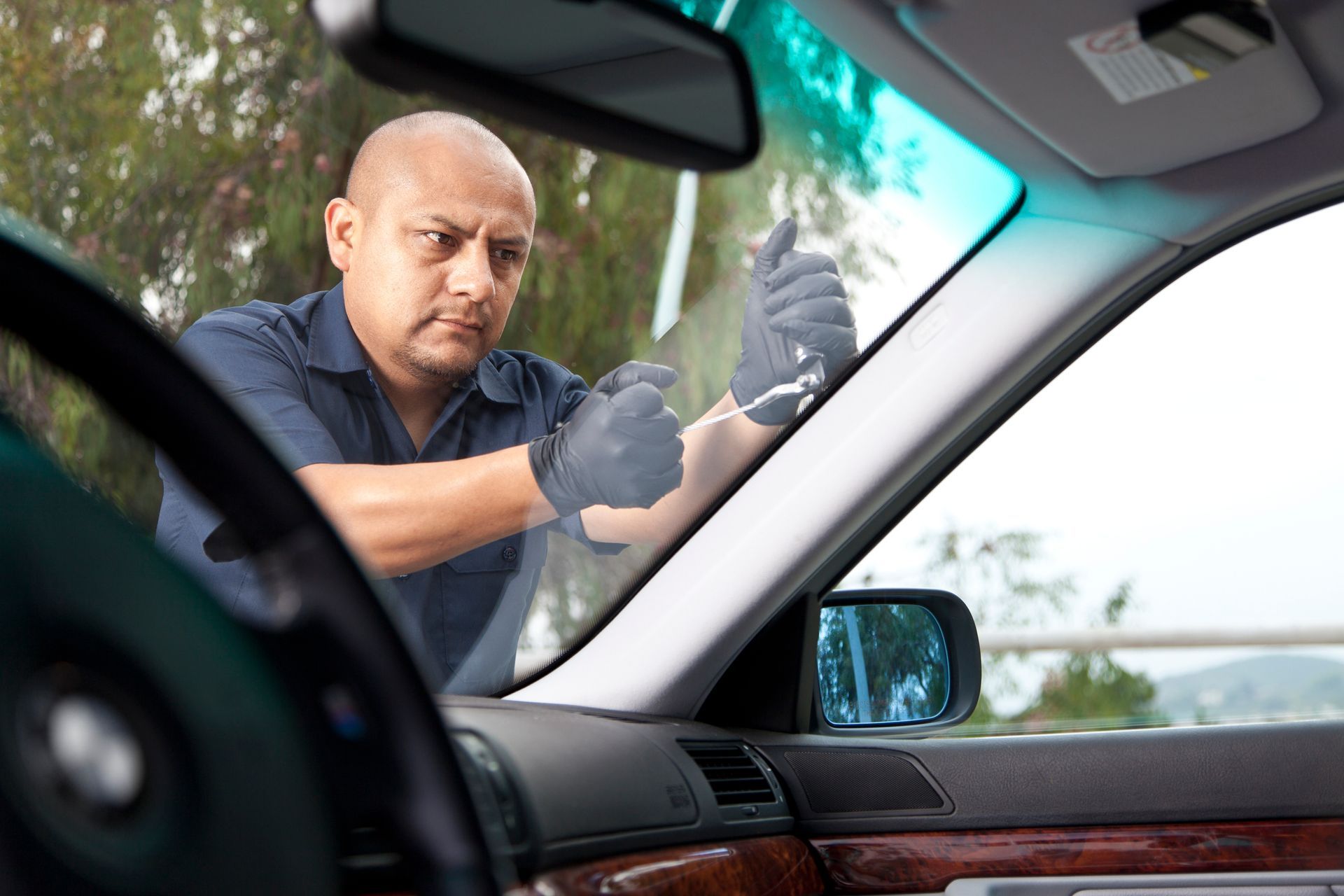
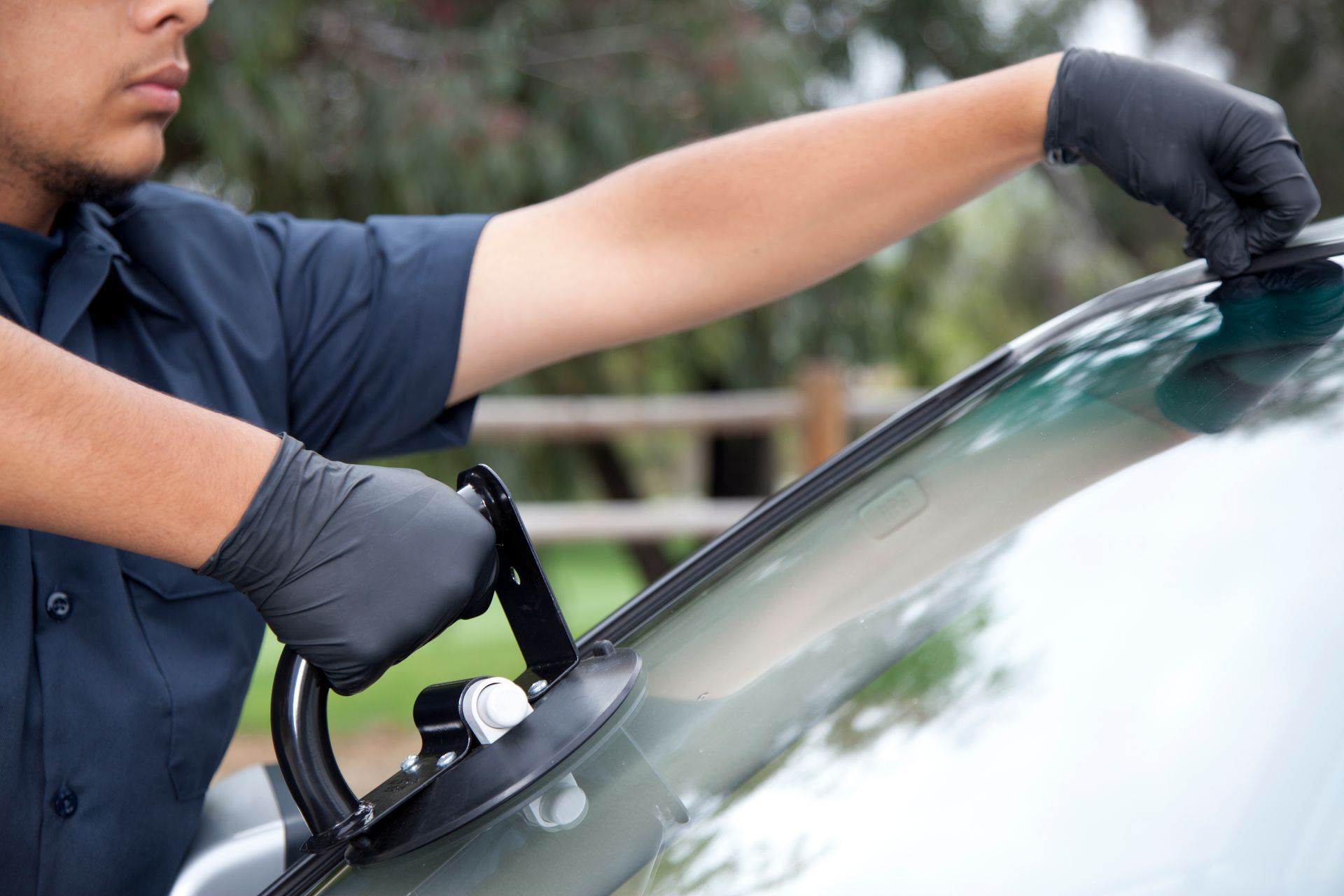
Modern vehicles are more sophisticated than ever, and your windshield plays a much bigger role in keeping you safe than most Omaha, NE, drivers realize. A cracked or damaged windshield is no longer just a visibility problem. For many of today's cars, it can also mean your safety systems stop working correctly. Understanding what is at stake before scheduling a Windshield Replacement can save you from a costly and potentially dangerous mistake.
Your Windshield Is More Than Just Glass
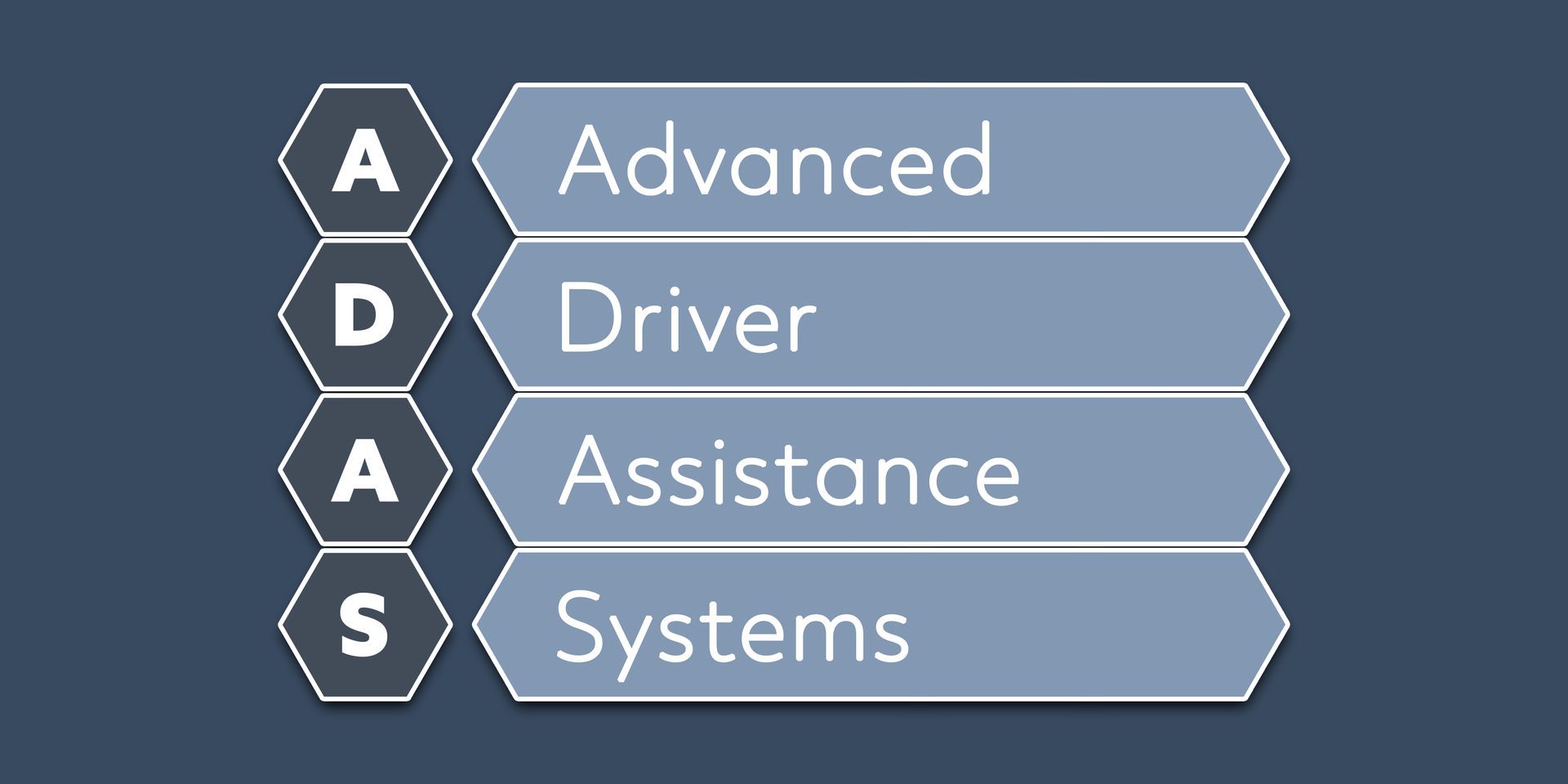
Today's windshields are part of your car's safety network. Many vehicles built in the last several years are equipped with Advanced Driver Assistance Systems, commonly known as ADAS. These systems may include lane-keep assist, automatic emergency braking, blind-spot monitoring, and adaptive cruise control. The cameras and sensors that power these features are often mounted directly behind or inside your windshield, making the glass itself a critical part of how your car sees the road.
When that glass is cracked, chipped, or replaced without proper care, those sensors can lose alignment. The result may be a system that gives false alerts, responds late, or stops functioning entirely.
What Is ADAS and Why Does It Matter to Omaha Drivers?
ADAS is a collection of smart safety technologies built into modern cars. Automatic emergency braking can detect a vehicle ahead and apply your brakes if you do not react in time. Lane-keep assist may gently steer you back if you drift out of your lane. Adaptive cruise control can automatically adjust your speed in highway traffic. For drivers navigating Omaha, NE, roads, these features can be the difference between a close call and a serious accident.
Because these cameras sit in a fixed position on your windshield, even a small misalignment can throw off how the system reads the road.
Why Camera Calibration Is Critical After Windshield Replacement
Calibration is required after nearly every Windshield Replacement on a vehicle with ADAS. It is the process of resetting your windshield-mounted cameras so they are pointed and aligned exactly as the manufacturer intended. A misalignment of just one millimeter may cause sensors to misjudge distances, fail to detect lane markings, or trigger emergency braking at the wrong moment.
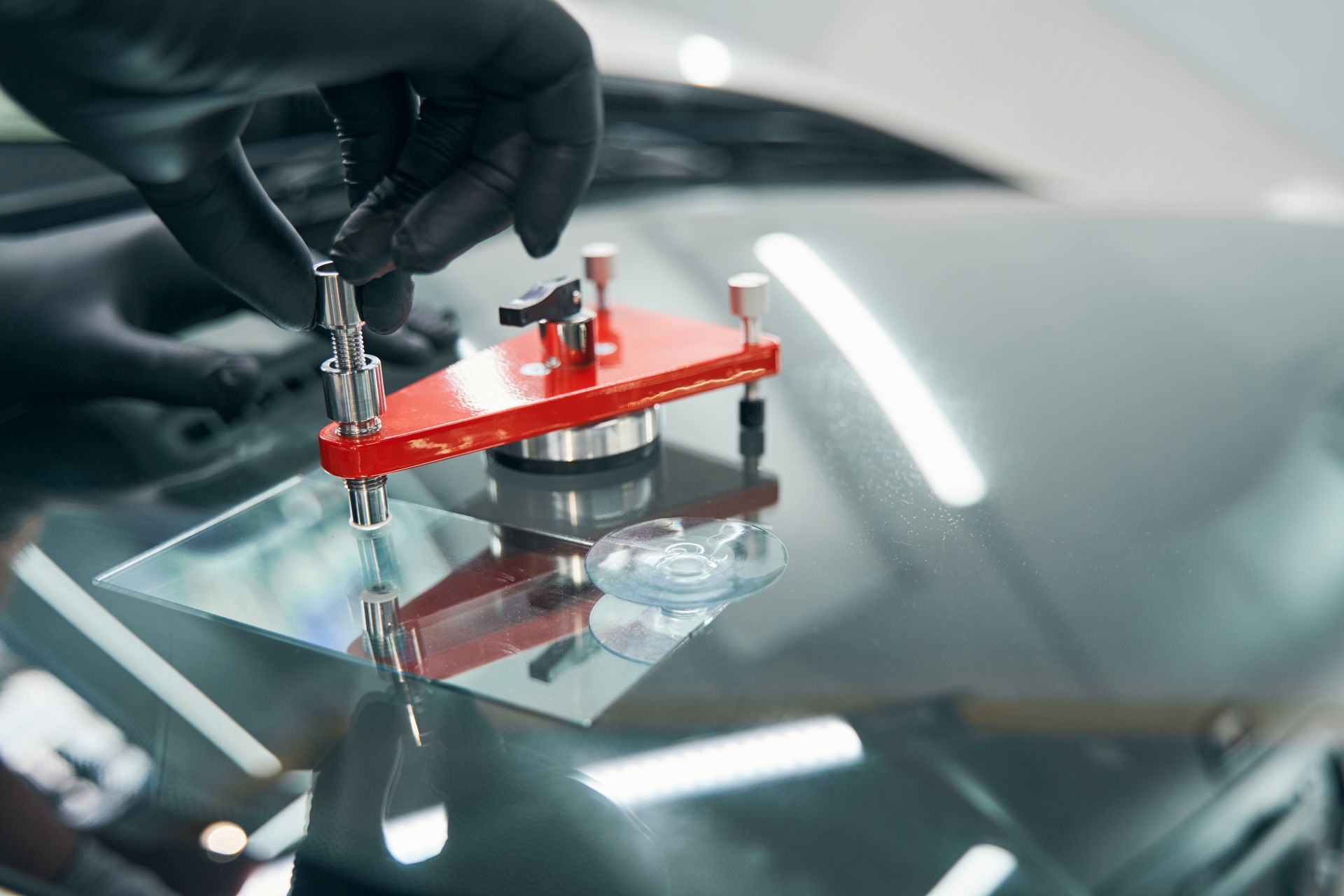
Calibration may be performed in one of two ways. Static calibration is done indoors using specialized targets placed in front of the vehicle. Dynamic calibration is done by driving the vehicle under specific conditions so the system can reset itself in motion. Some vehicles may need both, depending on make, model, and ADAS configuration.
Skipping calibration after a Windshield Replacement in Omaha, NE, is not something any driver should consider. A properly installed windshield with a correctly calibrated camera helps your safety systems perform the way they were designed to.
How Do I Know If My Car Has ADAS?
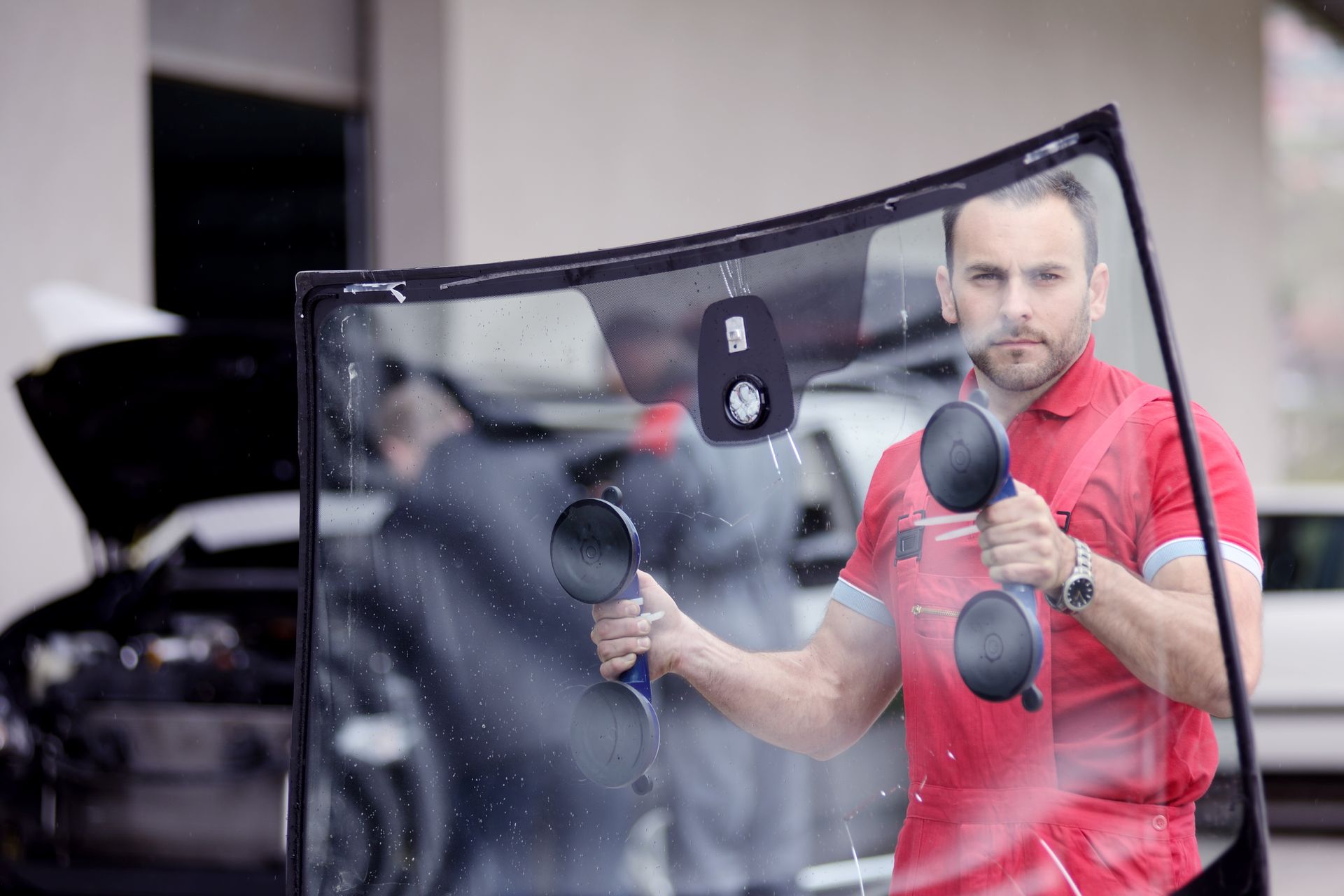
Look for a small camera or sensor mounted near your rearview mirror, or check your owner's manual for features like forward collision warning, automatic braking, or lane departure alerts. If your car has any of these features, it almost certainly requires ADAS calibration after a windshield swap. When in doubt, ask your technician before the job begins.
Get Your Questions Answered Before You Schedule
If you want to understand what the process involves, reaching out before booking is always a smart move. Visit the auto glass repair page to learn more about services available for Omaha-area drivers.
Council Bluffs-based Dinges Auto Glass proudly serves Omaha, NE, drivers with mobile Windshield Replacement and ADAS camera calibration. Their OEM-certified technicians come directly to your home, workplace, or wherever your car is parked. Call (402) 391-1900 or contact the team to schedule your service. You can also find them on Google at Dinges Auto Glass to read reviews and get directions.